Pipe Repair for Historic Santa Ana Homes
Santa Ana sits inland from the coast, at the center of Orange County, and its neighborhoods tell the story of the city. Floral Park and West Floral Park hold large historic homes from the early 1900s, with wide lots, mature trees, and Craftsman details. Downtown Santa Ana, near the civic center and the Artists Village, mixes historic commercial buildings with older homes on smaller lots. Farther out, the postwar neighborhoods hold ranch homes on slabs, and the newer tracts near the Santa Ana River hold larger homes built in recent decades. The city is the county seat, and its streets hold homes from every era of Orange County history, so a walk through Santa Ana is a walk through a century of plumbing, from early galvanized pipe to modern PEX.
Serving Santa Ana, CA 92701
That range of ages means Santa Ana plumbing fails in many different ways. A historic home may still carry galvanized pipe from its first build, narrowed by decades of scale and rust. A postwar ranch may have copper runs under a slab that have developed pinhole leaks. A newer home may have long runs and many fixtures, so a single weak joint can affect several rooms. Inland heat adds its own strain, because long hot summers dry out the soil around a slab and shift the ground under a home. This page covers how those risks play out across Santa Ana, what to do when a pipe bursts, and how detection, repair, and repiping work here. A homeowner who knows the age of the pipe in a Floral Park historic home, and the place where the main valve sits near the front walk, can act fast when a leak appears, and that speed matters most where original wood floors soak up water fast.
Aging Infrastructure in Santa Ana Neighborhoods
Santa Ana has some of the oldest housing in Orange County, and age is the main reason its pipes fail. A historic home in Floral Park may have plumbing that dates to the early 1900s, with galvanized steel that has been narrowing for decades as scale and rust build up inside. That narrowing raises pressure in the remaining opening, and the joints take the strain. The first signs are often small: a tap that runs slower than it used to, discolored water in the morning, or a leak at the same joint more than once. Inland heat dries out the soil around a slab in summer, and the ground can shift enough to stress a pipe run under the floor, so a tile that cracks without a clear cause is worth checking.
The streets themselves add to the problem. Older neighborhoods have older water mains and older service lines, and a repair on the street can send a surge of pressure through the homes nearby. A home with aging pipe is more likely to feel that surge as a burst, because its weakest joint is already close to failing. If your street has had water main work recently and your pressure has changed, it is worth checking the plumbing inside the house as well.
Inland heat is a third factor. Long hot summers dry out the soil around a slab, and the ground can shift enough to stress a pipe run under the floor. A tile that cracks without a clear cause, a floor that sounds hollow in one place, or a warm spot on the slab can all point to a pipe that has been stressed by shifting ground. In Santa Ana, a pipe problem is often a ground problem too, and both are worth checking together.
Related: copper pipe repair, slab leak repair

Slab Leaks and Older Pipe in Floral Park Homes
Many Santa Ana homes sit on a concrete slab, and the water lines often run under that slab. A pinhole in one of those runs is called a slab leak, and it is one of the most common hidden problems in the city. The water has nowhere visible to go, so it seeps into the soil under the floor, and the first signs are subtle: a warm spot on the floor where a hot water line is leaking, a damp patch on a rug, or a floor that sounds hollow in one place.
In a historic home, a slab leak can be harder to find, because the house may have had more than one remodel, and the pipe layout may not match the original plan. A bathroom added in one decade and a kitchen moved in another can leave runs that cross the slab in unexpected places. Detection is what keeps the search small: listening equipment follows the sound of escaping water, a pressure test shows which run is losing water, and a thermal check finds the warm spot left by a hot line.
Once a slab leak is found, the repair may mean opening a small section of floor, or it may mean rerouting the run through the attic so the slab is never opened at all. In a historic home, the reroute is often the better choice, because it avoids cutting into original flooring and it replaces the aging run with a new one that is easy to reach. The right choice depends on where the leak sits and how much of the old pipe is still sound.
Related: slab leak repair, burst pipe leak detection
First Steps When a Pipe Bursts in Santa Ana
When a pipe bursts in a Santa Ana home, start at the main shutoff valve. In most historic homes it sits near the front of the house, in the garage, or at the meter by the street, and in postwar ranches it may be in a utility closet or near the water heater. Turn it off, then open the lowest faucet in the house so the lines drain and the pressure drops. That one step can keep a burst from soaking an entire floor.
Next, keep water away from anything electrical and move what you can out of the wet area. Do not step into standing water near outlets or appliances, and switch off power to any room where water has reached the walls. Move rugs, books, and low furniture, put towels or a bucket under a ceiling drip, and take photos of the damage as you go. In a historic home, move anything irreplaceable first, because original wood floors and plaster walls soak up water fast.
Then request emergency service and describe what you see: where the water is coming from, which rooms are wet, and whether the main valve is off. A burst in an accessible run can often be repaired in one visit, while a burst under a slab or inside a plaster wall takes longer to reach. Either way, the sooner the water is off, the smaller the repair and the cleanup will be.
Related: emergency burst pipe repair, burst pipe cleanup and water damage
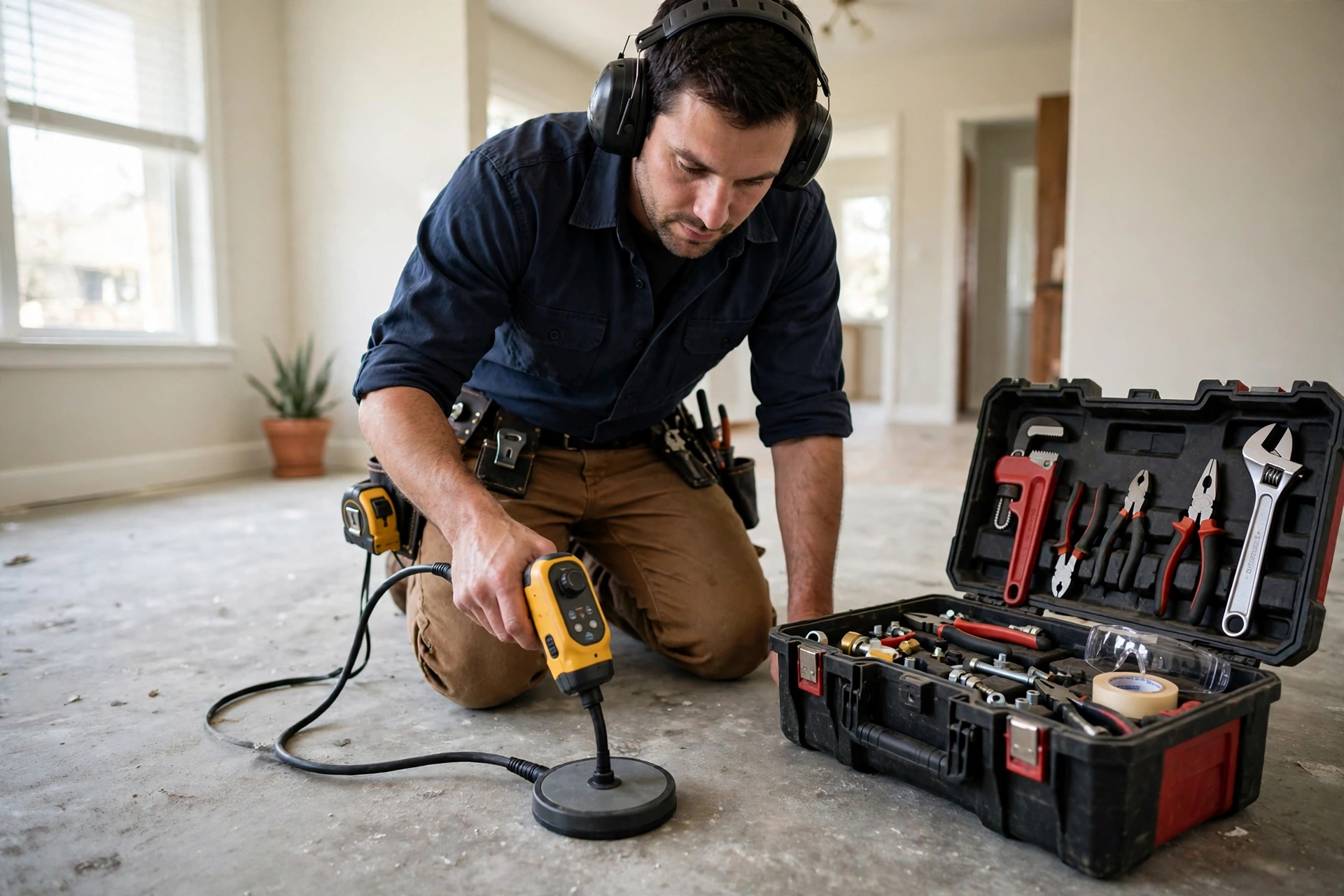
Repiping a Historic Home Without Losing Its Character
Repiping a historic Santa Ana home takes more care than repiping a newer one, because the house itself is part of the value. Original plaster walls, wood floors, and Craftsman details are worth keeping, and a repipe can be planned to work around them. New runs go through attics, closets, and garages where possible, and walls are opened only where a run has to pass through, with the openings kept small and easy to patch.
Material choice matters in a historic home. Copper is a familiar choice that fits the character of an older house, and it holds up well when it is protected. PEX tubing resists corrosion and scale, and it flexes through the tight spaces in a home that was not built for modern plumbing. Many repipes use a mix, with copper where it is visible and protected, and PEX where runs have to thread through an attic or a remodeled bathroom.
A repipe is also the right moment to fix the small problems that have been building up for years. A pressure regulator can be added to keep pressure in a safe range, shutoff valves can be placed at each bathroom and the kitchen, and exposed runs in the garage can be insulated. Those details do not add much to the work, and they make the new plumbing easier to live with for years to come.
Related: repiping an older home, whole house repiping
A Year Round Pipe Check Routine for Santa Ana
Santa Ana homes do not need constant attention, but they do need a regular routine. Once a year, walk the exposed pipe in the garage, look for green corrosion on copper fittings, and check under every sink for dampness or a musty smell. Look at the water heater connections, which wear out faster when pressure runs high, and check the supply lines to toilets and washing machines, which are the most common small leaks in any home.
In Santa Ana, the meter check is the simplest way to catch a leak in an older home. Turn off every tap and appliance on a quiet evening, watch the dial, and write the reading down. A historic home with original pipe can hide a leak behind plaster for months, so a dial that moves when nothing is running is worth more than a visual check of the walls.
Summer heat adds one more check. Long hot spells dry out the soil around a slab, and the ground can shift enough to stress a pipe run under the floor. If a warm spot appears on the floor in summer, or a tile cracks without a clear cause, treat it as a possible slab leak until detection proves otherwise. A quick check now is far easier than a repair after months of seepage.
Related: water line repair, pipe insulation and freeze protection
Protecting Original Floors During a Santa Ana Repair
A repair in a historic Santa Ana home is planned around the floors and walls that make the house worth keeping. Original wood floors and plaster walls soak up water fast, and they are harder to replace than a modern floor, so the first step in a repair is to keep water away from them. Rugs and furniture are moved first, towels are laid along the wet edge, and the water is shut off before any pipe is touched.
Once the break is found, the repair is kept as small as the layout allows. A run that can be reached through a closet or a garage is repaired from there, rather than through a plaster wall in the main rooms. When a wall does have to be opened, the opening is kept small and placed where it can be patched cleanly, and the pipe is rerouted through the attic where that avoids cutting into original flooring.
Before leaving, the technician walks the exposed runs in the garage and under the house, looking for the green crust and damp spots that mark the next weak place. That walk is worth more than it sounds, because a historic home often has more than one run at the same stage of wear. Knowing where the next leak is likely to appear lets the homeowner plan a repipe before the next burst, rather than after it.
Related: emergency burst pipe repair, burst pipe cleanup and water damage
Water Mains and Pressure Surges on Older Streets
Older Santa Ana streets have older water mains, and work on those mains can send a surge of pressure through the homes nearby. A home with aging pipe feels that surge more than a newer home, because its weakest joint is already close to failing. If your street has had water main work recently, and your pressure has changed, or a tap has started to drip, it is worth checking the plumbing inside the house as well.
A pressure regulator at the main line is the best defense against those surges. It steadies the pressure for the whole house, so a surge from the street does not reach the joints and supply lines at full strength. A regulator that has been in place for years can wear out as well, so it is worth checking when the rest of the plumbing is checked, and replacing it when a repipe is done.
The water meter is the simplest way to tell whether a surge has caused a leak. Turn off every tap and appliance on a quiet evening, watch the dial, and write the reading down. If the dial moves when nothing is running, a leak is present, and finding it early is far easier than repairing the damage after months of slow seepage behind plaster.
Related: water line repair, burst pipe leak detection, burst pipe repair in Costa Mesa, burst pipe repair in Irvine, burst pipe repair in Fountain Valley
Burst Pipe Questions in Santa Ana, Answered
Not seeing your question? Request service and tell us what is happening.
Age is the main cause: many Santa Ana homes still carry original galvanized and copper pipe that has narrowed with scale and rust for decades. Inland heat dries out soil around a slab and shifts the ground, which stresses joints, and pressure surges from street work can push a weak joint over the edge.
In a Santa Ana historic home, the main valve is often near the front of the house or at the meter, and in an older home it may be stiff from years without use, so turn it steadily and do not force it. Open the lowest tap, keep clear of outlets and appliances, and move anything irreplaceable out of the wet area first. Then request emergency service, and say whether the home is a historic house or a postwar ranch, because the pipe layout and the wall material are different in each.
Yes. Service covers Santa Ana including Floral Park, West Floral Park, downtown Santa Ana, and the neighborhoods around the Santa Ana River and the civic center.
Yes. Most Santa Ana homes sit on a slab with water lines running underneath, so a pinhole in one of those runs is a common hidden problem. Warm spots on the floor, damp patches, and a climbing water bill are the usual signs.
Yes. A repipe can be planned around original plaster, wood floors, and Craftsman details, with new runs going through attics and closets and walls opened only where a run has to pass through. The openings are kept small and easy to patch.
Yes. Work on an older water main can send a surge of pressure through the homes nearby, and a home with aging pipe is more likely to feel that surge as a burst, because its weakest joint is already close to failing. A regulator at the main line steadies the pressure, and a meter check after street work will show whether a leak has started.
Nearby Towns and Cities
Newport Beach
Burst pipe repair in Newport Beach covers emergency pipe fixes, leak detection, copper repair, and repiping ac...
View Services in Newport BeachCorona del Mar
Burst pipe repair in Corona del Mar covers emergency pipe fixes, leak detection, copper repair, and repiping f...
View Services in Corona del MarBalboa Island
Burst pipe repair on Balboa Island covers emergency pipe fixes, leak detection, copper repair, and repiping fo...
View Services in Balboa IslandBurst Pipe Repair in Santa Ana
Burst pipe repair in Santa Ana covers emergency pipe fixes, leak detection, slab leak repair, and repiping across Floral Park, West Floral Park, downtown Santa Ana, and the neighborhoods around the Santa Ana River. Santa Ana is the county seat, and its housing ranges from early 1900s Craftsman homes on large lots to postwar ranches and newer builds, so the city holds some of the oldest plumbing in the county alongside some of the newest. A burst here is often the end of a long decline in an aging system. Request service as soon as you see damp walls, a warm spot on the floor, or a water bill that climbs without a clear reason.
Get Help From a Local Specialist
Request service and a local burst pipe contractor will help.
Call Us
Emergency burst pipe help across Newport Beach.
Phone number to be decidedEmail Us
Send questions about a leak or repair.
Email address to be decidedVisit Us
Proudly serving Newport Beach and the Orange County coast.
Address to be confirmed